
Full-size bar
$7
An oval that fills the hand. Made in a six-cavity mould, then cured until it is dense enough to hold its shape in the dish.
See colours and aromas California Kelp
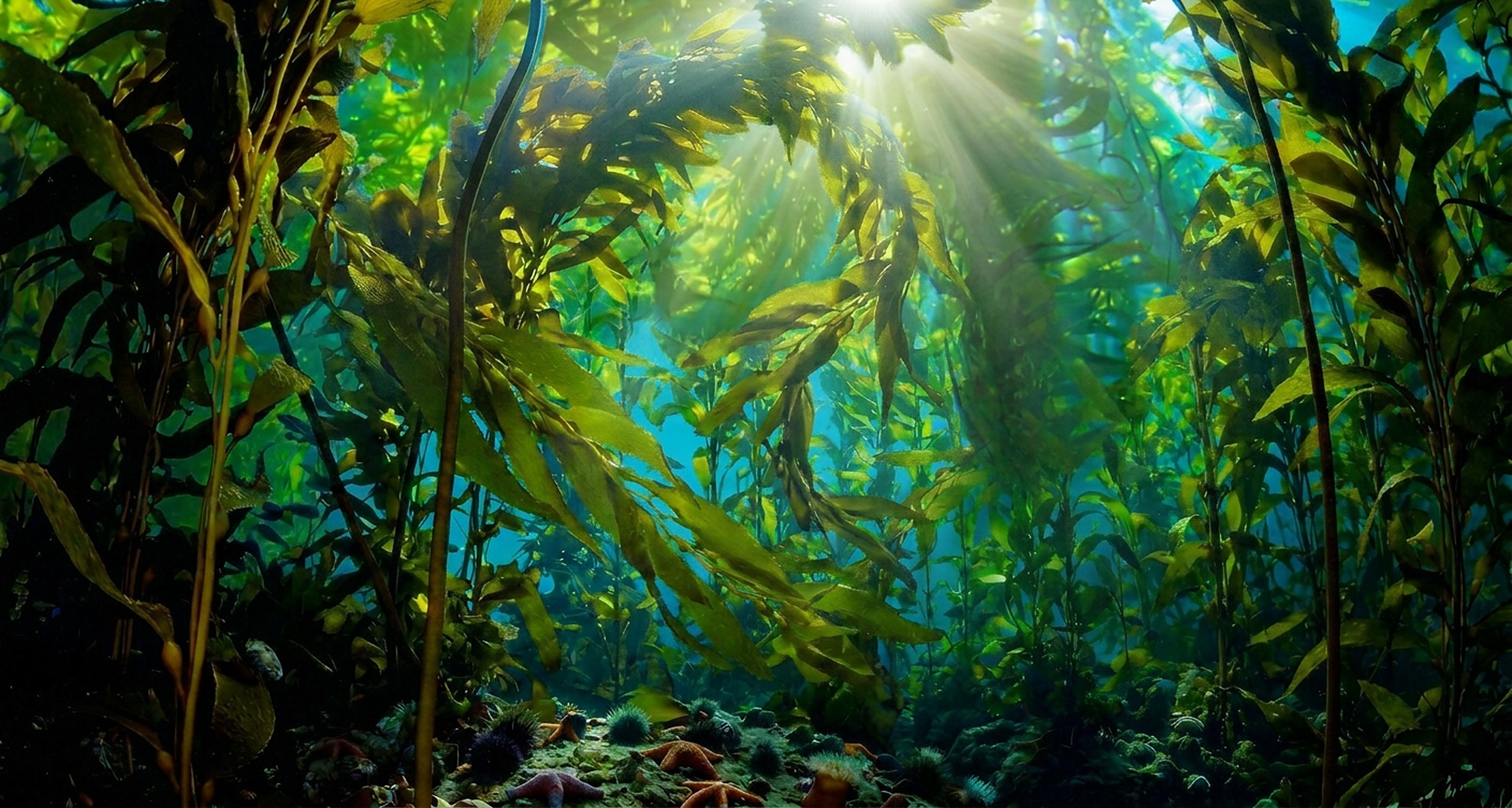

California Kelp, handmade in San Diego
Cold-process soap made with mango butter, shea butter, olive oil and giant kelp extract. Poured by hand in small batches and cured for six weeks.
The soap
Every bar comes from the same recipe and the same six-week cure. One fills the palm; the other fits a guest bath, a gym bag or a gift box.
$7
An oval that fills the hand. Made in a six-cavity mould, then cured until it is dense enough to hold its shape in the dish.
See colours and aromas
$2.50 each
Poured fifteen to a tray and trimmed by hand. Sized for a guest bath, a gym bag or a table of favours, and boxed in sets of three or six.

Each colour has its own aroma. Choose one to see it in both shapes. Each tray is one colour, and shades vary a little from batch to batch.


A sweet, tropical blend of tamarind, mandarin, red currant, date and coconut milk.
Prefer no aroma? Unscented bars are also available, in a mix of colours from our test batches. Ask which ones we have.
What's in it
Four ingredients set the character of the bar: mango butter, shea butter, meadowfoam oil and giant kelp. Each one is there for what it does to the bar: how hard it gets, how it lathers and how long it lasts.
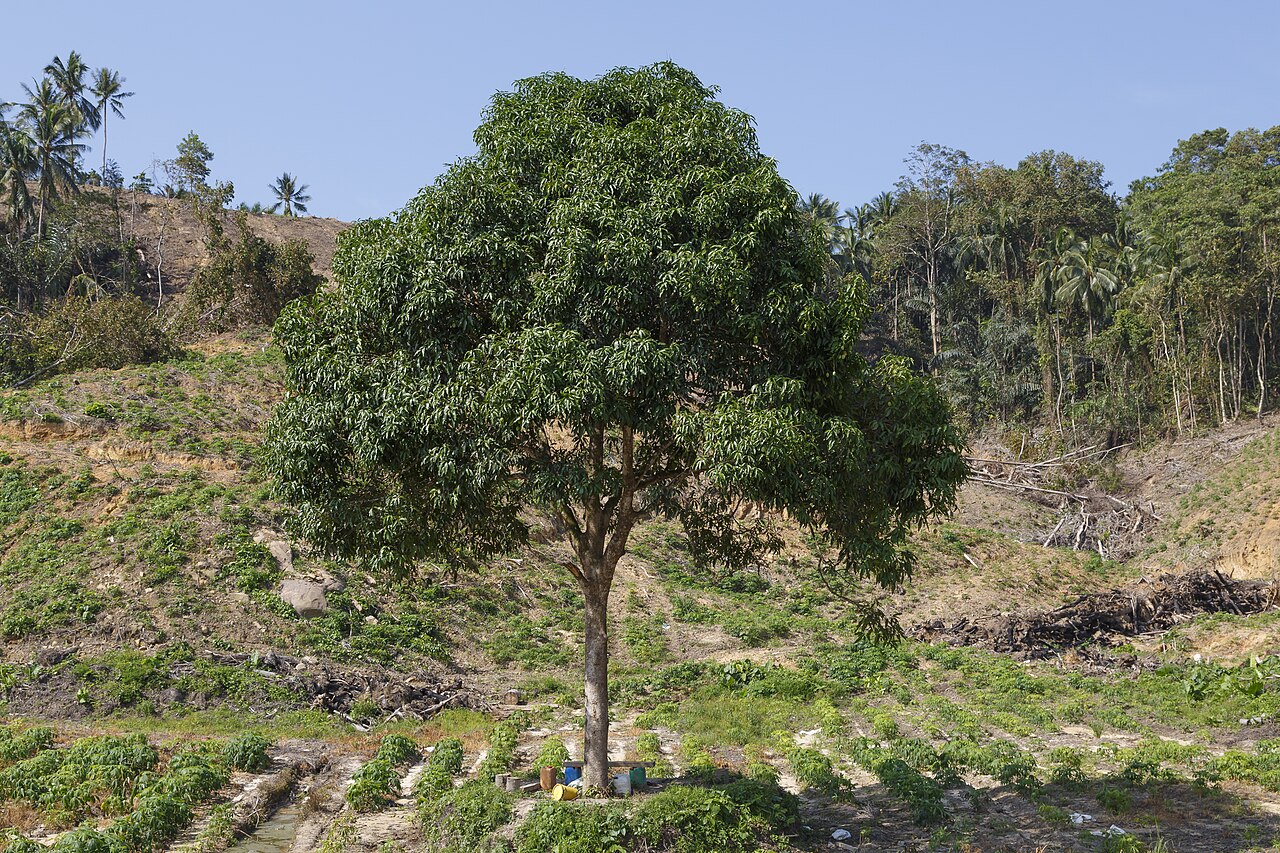
Mangifera indica, India
Pressed from the seed kernel, not the fruit. Light and quick to melt in the hand, it gives the bar its firm body and a fine, close lather that feels silky rather than slippery.
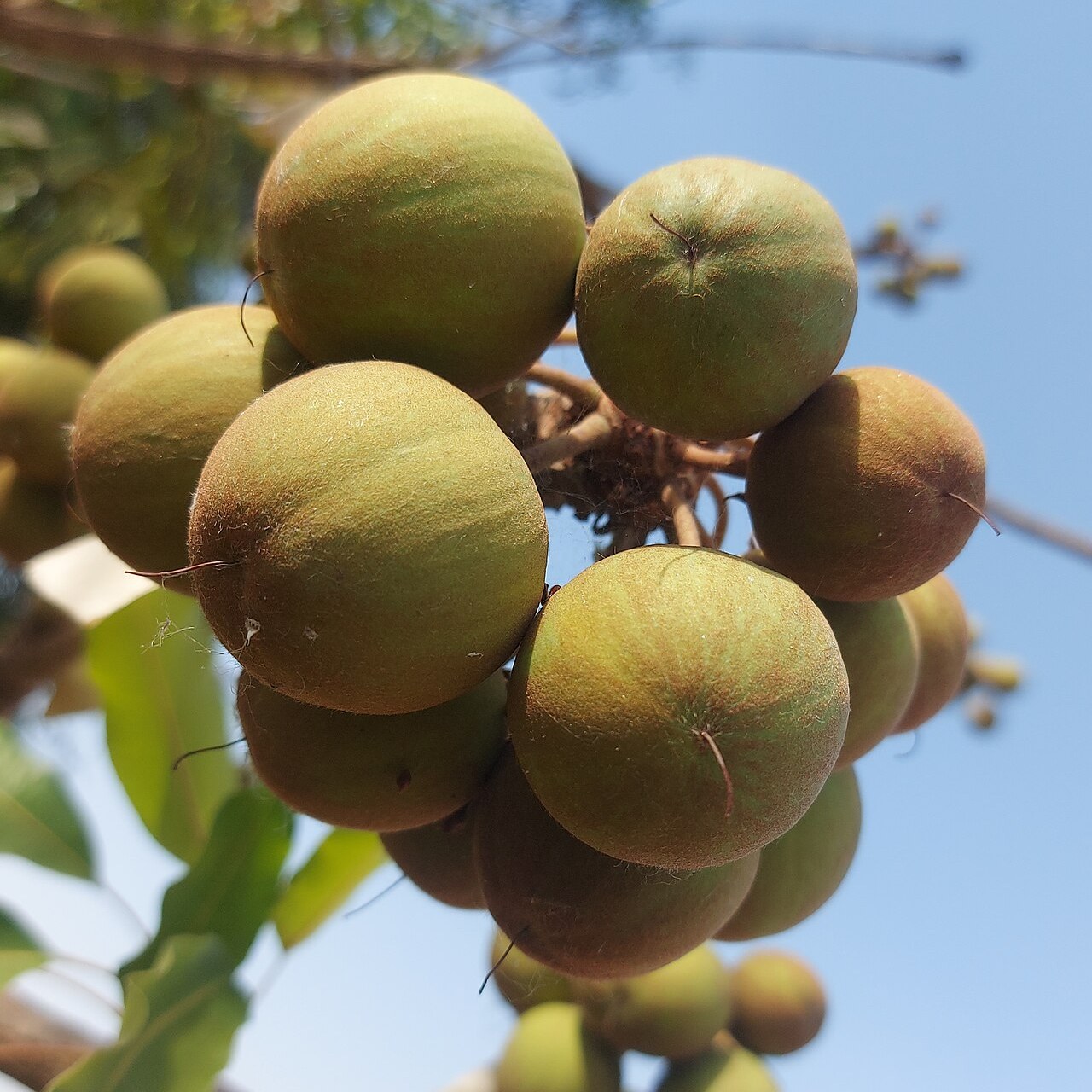
Vitellaria paradoxa, West Africa
From the nut of a tree that grows wild across the savanna. It steadies the lather into something creamy and cushioned, with a rich, buttery slip.
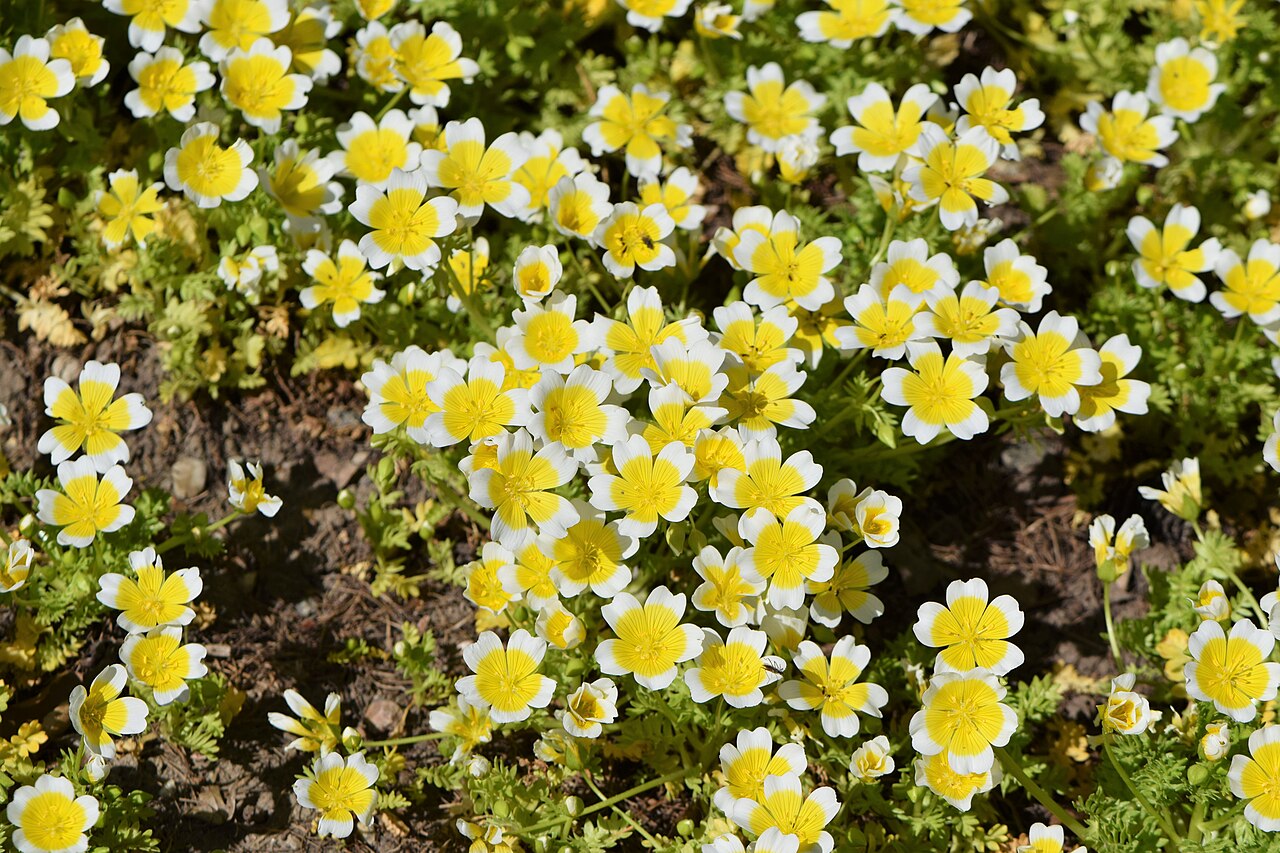
Limnanthes alba, Pacific Northwest
From a small white wildflower. One of the most stable oils in nature, it extends the life of the bar and gives the lather its silk.
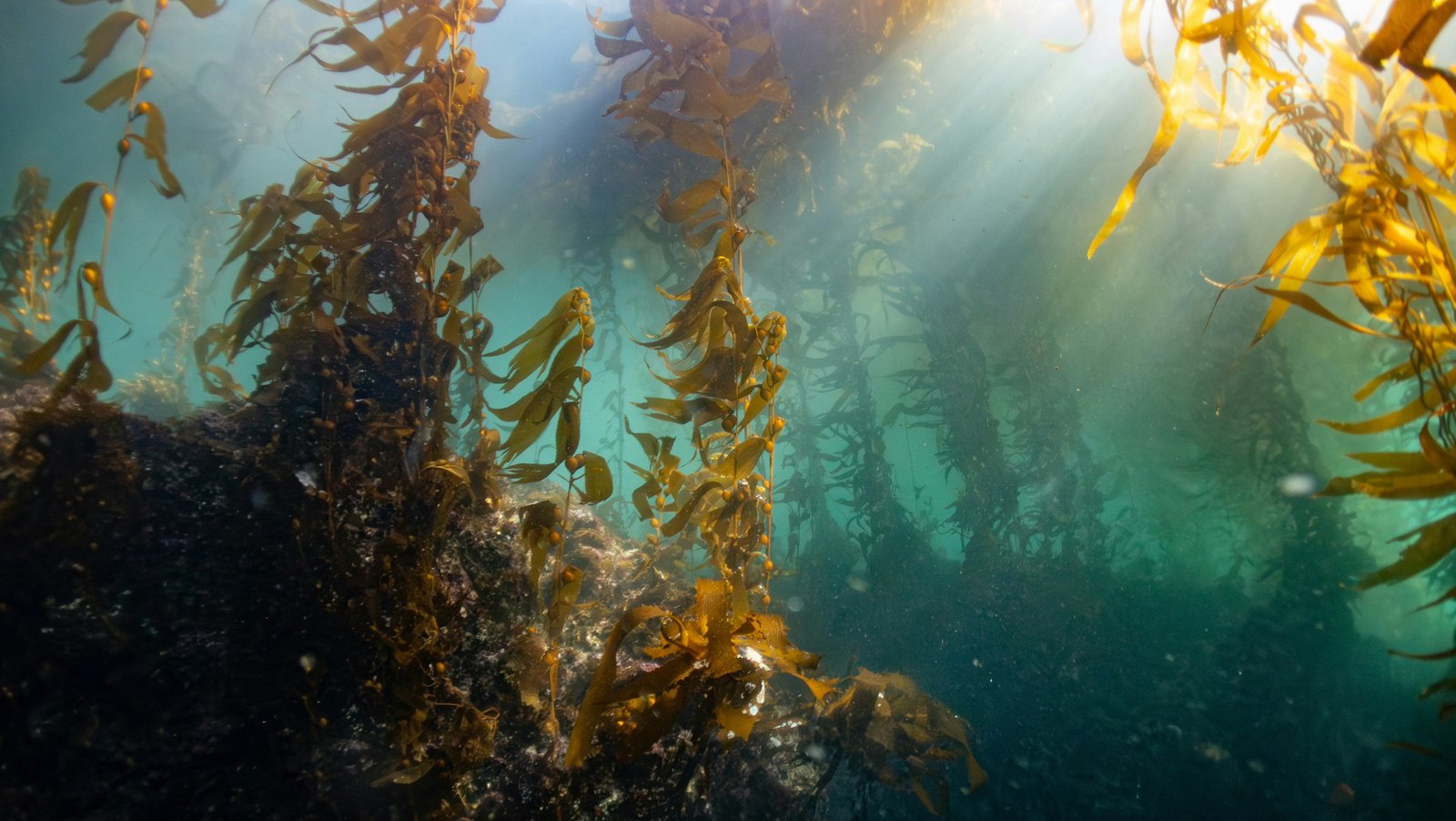
Macrocystis pyrifera, California
Giant kelp from the California coast, the same plant that forms the kelp forests off our coast. It goes into every bar as an extract.
The backbone of the recipe. It makes a mild bar with a soft, creamy lather.
Big, bright bubbles and a hard bar that holds up in the shower.
A little goes a long way. It is what gives the lather its bubbles and its dense, glossy foam.
Light and silky. It keeps the lather from feeling heavy.
How it's made
Cold-process soap is made by mixing oils and butters with lye and letting the reaction finish slowly. The soap forms within a day or two; the rest is patience.
Olive, coconut, castor, rice bran and meadowfoam oils are weighed to the gram, and the mango and shea butters are melted in.
Cosmetic mica is mixed straight into the oils so the colour runs evenly through the bar.
Sodium hydroxide solution goes into the oils and is blended to a light trace, when the mix thickens like thin custard. No sodium hydroxide remains in the cured bar.
The batter is poured into silicone moulds: fifteen small rounds to a tray, or six ovals.
The next day the bars come out of the mould by hand and the seam on each one is trimmed clean.
Bars rest on open racks in a dry room. We weigh them as they cure and they only leave once they're done.
Water leaves the bar for weeks after it sets. Curing makes it harder and longer-lasting in the dish. Every batch is dated and weighed through the cure.
Sodium Olivate, Aqua, Sodium Mangoseedate, Sodium Shea Butterate, Sodium Cocoate, Sodium Castorate, Glycerin, Sodium Rice Branate, Sodium Meadowfoamate, Fragrance, Sodium Lactate, Sodium Sunflowerseedate, Macrocystis Pyrifera (Kelp) Extract, Mica.
Unscented bars: the same ingredients, without fragrance.
Gifts and events
The small round bar was made for a table of favours. Tell us what you have in mind and we'll come back to you with what's possible.
Questions
At farmers' markets around San Diego. Dates are coming soon; leave your email below and we'll tell you where we'll be. For gifts and events, use the enquiry form above.
Yes. It's made the traditional way, by reacting plant oils and butters with sodium hydroxide (lye). The reaction uses up the lye, so none remains in the cured bar.
The soap forms within a day or two, but water keeps leaving the bar for weeks. Curing lets it harden and last longer in the dish. We weigh every batch through the cure.
Keep it out of standing water and let it dry between uses. A dish with slats or ridges, so water can drain, makes the biggest difference.
From cosmetic mica, mixed into the oils before the lye goes in. Each colour is paired with its own aroma, and shades vary a little from batch to batch.
Stay in touch
An occasional note when bars are cured and where we'll be selling them. Nothing else.